

Can Insects in Your Home Affect Your Health?
At Double Diamond Pest Management, we understand that many homeowners do not realize how common household pests can impact indoor health. While insects are often viewed as a nuisance, some can introduce allergens that affect breathing and skin sensitivity. One pest we frequently address is carpet beetles. These insects are commonly found in residential environments and can live in carpets, upholstery, and stored fabrics. When carpet beetles infest a home, they can contribute to allergen buildup and discomfort for residents. We believe that understanding the potential risks associated with carpet beetles is an important step in maintaining a clean and healthy indoor living environment.
How We Address Carpet Beetles and Indoor Air Quality
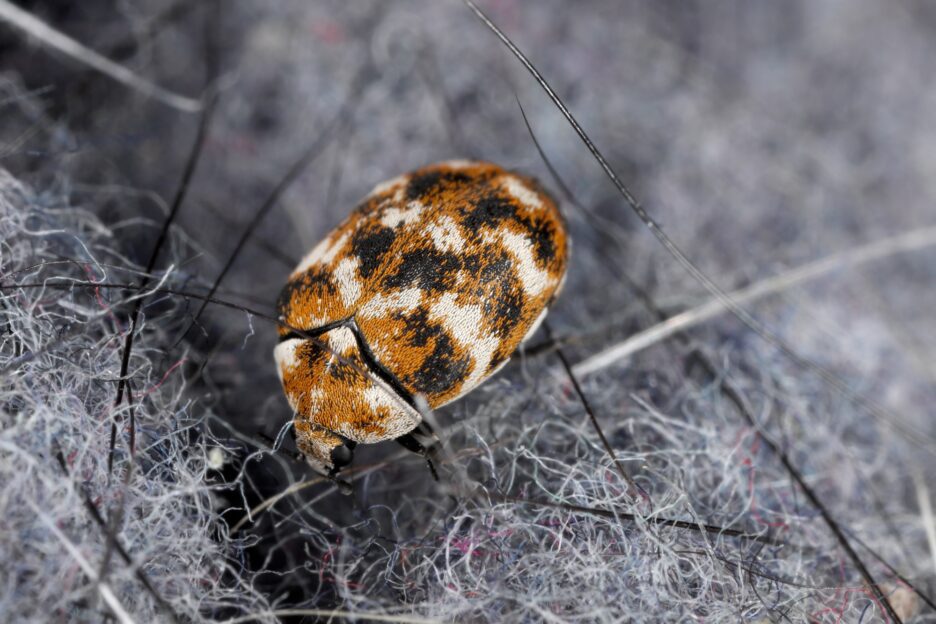
We often explain to homeowners that carpet beetles can impact indoor air quality because of the materials they leave behind during development. The larvae of carpet beetles are covered in tiny bristle-like hairs that shed as they grow. These hairs can settle into carpets, furniture, and bedding where carpet beetles typically feed. When disturbed, allergens from carpet beetles can become airborne and circulate throughout the home. At Double Diamond Pest Management, we help identify infestation sources and eliminate conditions that allow carpet beetles to thrive. Our goal is to improve indoor environments and reduce allergen exposure through thorough inspection and targeted treatment.
How Carpet Beetles Can Affect Respiratory Sensitivity
In our experience, exposure to allergens from carpet beetles can affect individuals differently. Those with asthma or seasonal allergies may experience increased sensitivity when infestations are present. The shed hairs and debris left behind by carpet beetle larvae can irritate the respiratory system when inhaled. Although carpet beetles do not bite or transmit disease, their presence can still create health concerns for sensitive individuals. We encourage prompt action when residents notice coughing, sneezing, or breathing discomfort that may be associated with carpet beetles. Addressing the issue early helps reduce allergen exposure and supports healthier indoor air quality.
How We Identify Signs of Carpet Beetles
We educate homeowners on recognizing early warning signs of carpet beetles to prevent damage and minimize health concerns. Carpet beetles commonly feed on natural fibers such as wool, silk, leather, and stored fabrics. You may notice thinning carpet areas, damaged clothing, or small holes in upholstery. Shed skins from carpet beetle larvae may also appear near baseboards, closets, or storage areas. During our detailed inspections, we locate hidden infestations and determine how carpet beetles are entering and spreading throughout the property. Early detection allows us to provide effective and efficient treatment solutions tailored to each home.
Our Professional Approach to Carpet Beetles Control
Successfully managing carpet beetles requires more than routine cleaning or vacuuming. We focus on identifying infestation sources and correcting environmental conditions that allow carpet beetles to survive. Our treatment strategies often include targeted applications, environmental adjustments, and ongoing monitoring. We follow integrated pest management principles to control carpet beetles while minimizing environmental impact. By using safe and proven techniques, we work to reduce recurrence and protect your indoor environment.
Preventing Carpet Beetles With Ongoing Maintenance
Preventative pest management plays an essential role in reducing carpet beetle infestations. We encourage regular cleaning schedules, reduced clutter, and proper storage of fabrics to limit food sources. Routine inspections performed by our team help detect carpet beetles early and prevent infestations from expanding. By partnering with Double Diamond Pest Management, homeowners in Albuquerque, Rio Rancho, Santa Fe, Los Lunas, Belen, Tijeras, Edgewood, Moriarty, Socorro, the Teton Valley area, Victor ID, Driggs ID, Tetonia ID, and surrounding communities can protect their belongings, improve indoor air quality, and maintain a healthier living environment free from carpet beetles and other common household pests.